Products Description
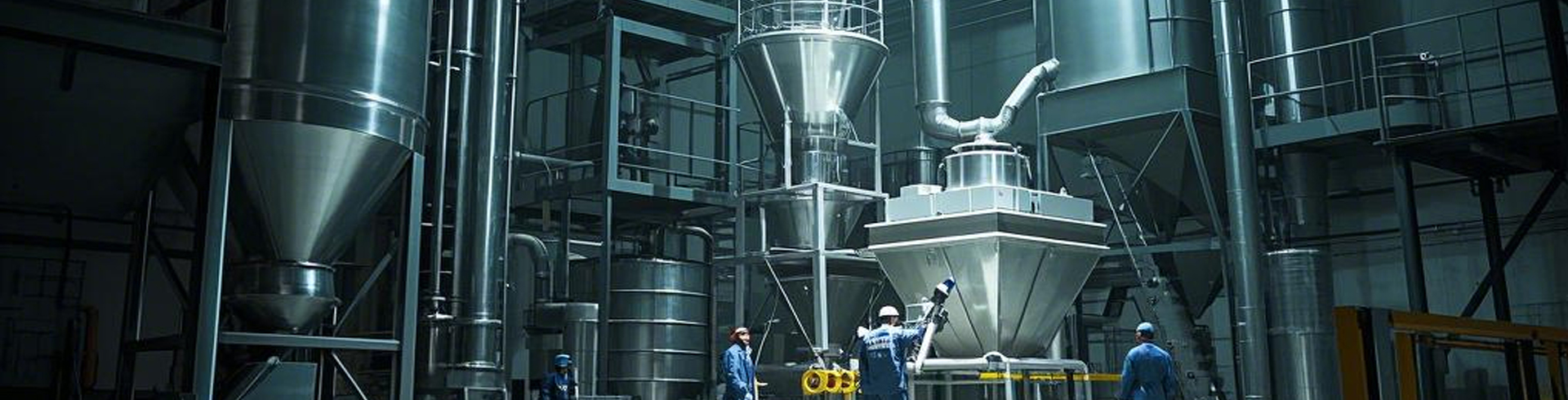
Need precise, real-time level monitoring for your tanks, vessels, or silos? Guanjiang's Level Gauges are precision instruments designed for measuring and monitoring liquid or solid levels across industrial applications. These devices provide real-time visibility into container content levels, enabling precise inventory management and process control while ensuring operational safety and efficiency. Available in multiple technologies — magnetic, glass, radar, ultrasonic, and capacitance types — they offer solutions for different media characteristics and operational requirements, from simple visual indicators to sophisticated electronic transmitters.
Key Advantages
High-Precision Measurement
High-precision monitoring with minimal measurement error. Stable performance under varying process conditions. Consistent readings unaffected by media density changes.
Enhanced Safety
Leak-proof designs prevent hazardous material release. Explosion-proof certifications for dangerous areas. Fail-safe operation ensures system protection.
Durable Construction
Corrosion-resistant materials (316SS, Hastelloy, PTFE). Withstands extreme temperatures (-200°C to +400°C). Robust design for high-pressure applications (up to 400 bar).
Low Maintenance
Self-cleaning designs reduce maintenance frequency. Easy calibration and troubleshooting. Long service life with minimal upkeep.
Level Gauge Technologies
Magnetic Level Gauge
Visual indication, no power required, suitable for high pressure/temperature, ideal for hazardous areas.
Radar Level Transmitter
Non-contact, unaffected by dust/vapor, 4-20mA output, ideal for solids and liquids.
Ultrasonic Level Sensor
Non-contact, cost-effective, easy installation, suitable for liquids and slurries.
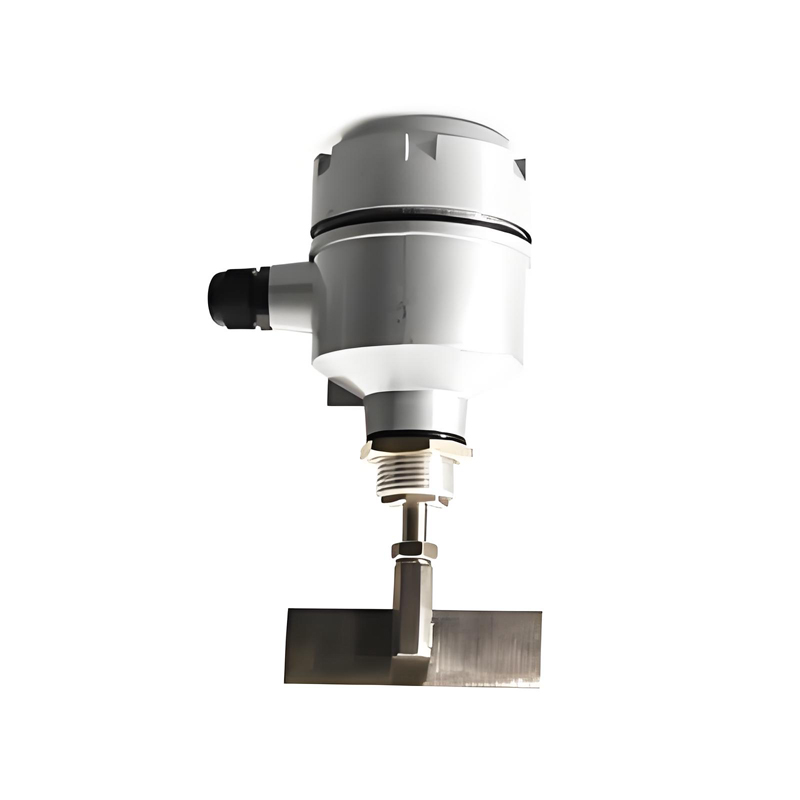
Capacitance Level Switch
Point level detection for liquids and solids, high temperature/pressure capability.
Technical Specifications
| Parameter | Specification Range |
|---|---|
| Measurement Technology | Magnetic / Glass / Radar / Ultrasonic / Capacitance |
| Measuring Range | 0.3m ~ 20m (standard) / Up to 50m (custom) |
| Accuracy | ±2mm (magnetic) / ±5mm (radar) / ±0.25% (ultrasonic) |
| Wetted Materials | 316SS / Hastelloy / PTFE / Polypropylene |
| Process Connection | Flange / Threaded / Tri-Clamp (sanitary) |
| Temperature Range | -200°C ~ +400°C (material dependent) |
| Pressure Range | Vacuum to 400 bar (40 MPa) |
| Output Signal | 4-20mA / HART / Modbus / Relay contacts |
| Housing Protection | IP65 / IP66 / IP67 / NEMA 4X |
| Hazardous Area Certification | ATEX / IECEx / CSA (optional) |
Selection Guide:
Magnetic level gauge: Local visual indication, high pressure/temperature, hazardous areas — no power required.
Radar transmitter: Continuous 4-20mA output, unaffected by dust/vapor, for liquids and solids.
Ultrasonic sensor: Non-contact, cost-effective, easy installation for liquids and slurries.
Capacitance switch: Point level alarm for high/low detection, high temperature capability.
Glass level gauge: Direct visual observation for low-pressure, low-temperature applications.
Applications
| Industry | Typical Applications |
|---|---|
| Chemical Processing | Reactor level monitoring, storage tank inventory, hazardous chemical detection |
| Oil & Gas | Crude oil tank measurement, refinery vessel monitoring, LNG storage control |
| Water Treatment | Reservoir/clarifier level monitoring, chemical dosing tank measurement, pump control |
| Food & Beverage | Sanitary tank level indication, batch process control, CIP system monitoring |
| Pharmaceutical | Pure water tank level, bioreactor monitoring, buffer solution control (sanitary designs) |
Frequently Asked Questions
Q1: Which level gauge technology is best for my application?
A: Magnetic — local visual indication, no power, high pressure/temperature, hazardous areas. Radar — continuous 4-20mA, unaffected by dust/vapor, for liquids and solids. Ultrasonic — non-contact, cost-effective, easy installation. Capacitance — point level detection, high temperature/pressure. Glass — direct visual, low pressure, low temperature. Contact us with your application details for a recommendation.
Q2: Can the level gauge be used with corrosive or high-purity media?
A: Yes. We offer wetted materials in Hastelloy, PTFE, and 316L stainless steel for corrosive environments. For food/pharmaceutical applications, sanitary designs with Tri-Clamp connections and electropolished surfaces are available. Please specify your media and hygiene requirements when ordering.
Q3: What output signals are available for integration with control systems?
A: We offer 4-20mA analog output (2-wire loop-powered), HART communication, Modbus RTU (RS485), and relay contacts for alarm points. Digital displays with local indication are also available. Specify your control system requirements for compatibility.
Q4: Are explosion-proof versions available for hazardous areas?
A: Yes. We offer ATEX, IECEx, and CSA certified level gauges for hazardous areas (gas and dust). Explosion-proof housings, intrinsically safe versions, and non-incendive options are available. Please specify your zone classification when ordering.
Q5: What is the typical installation process?
A: Magnetic/glass gauges: Flanged or threaded connection to tank nozzles — install isolation valves for maintenance. Radar/ultrasonic sensors: Top-mounted via flange or threaded connection — ensure clear beam path. Capacitance switches: Side or top mounted via threaded connection. We provide installation drawings and technical support. Factory calibration before shipment is standard.
Need a reliable level gauge for your tank or vessel monitoring application?
Request a Quote → Download Datasheet (PDF)* Please provide your tank size, media type, required accuracy, connection type, and any hazardous area certifications needed.